Morphologically Intelligent Soft-Robotic Pillows Enabling User-Adaptive Sleep Therapy
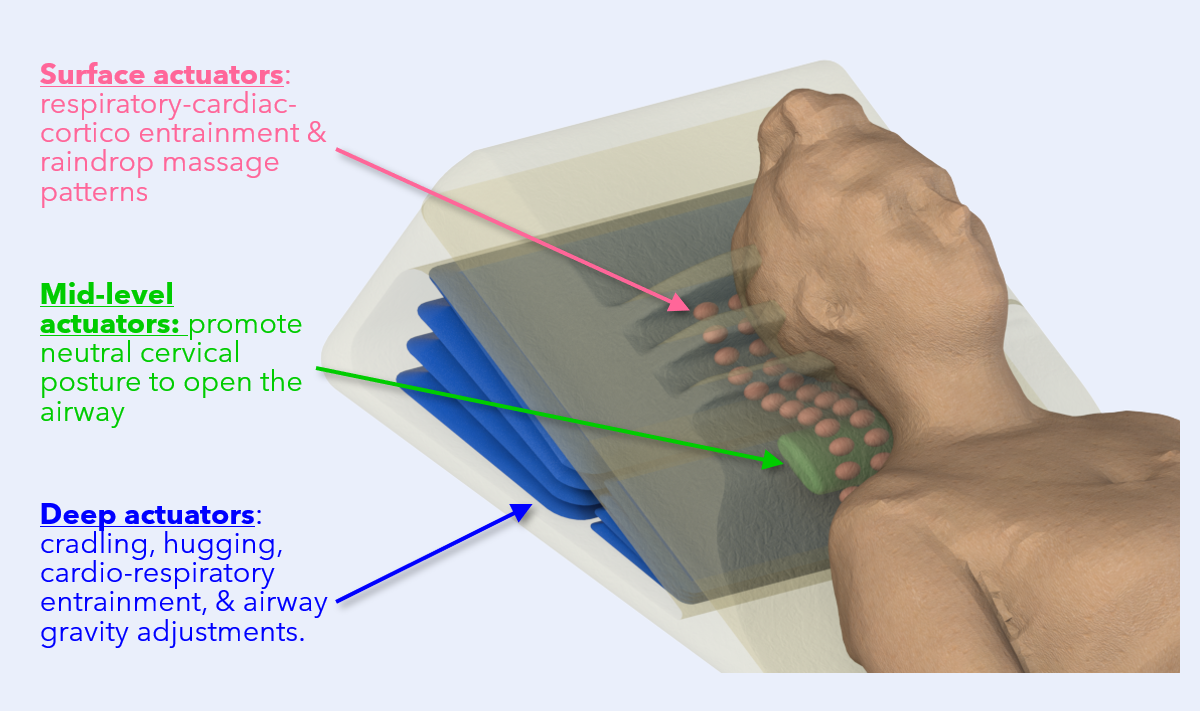
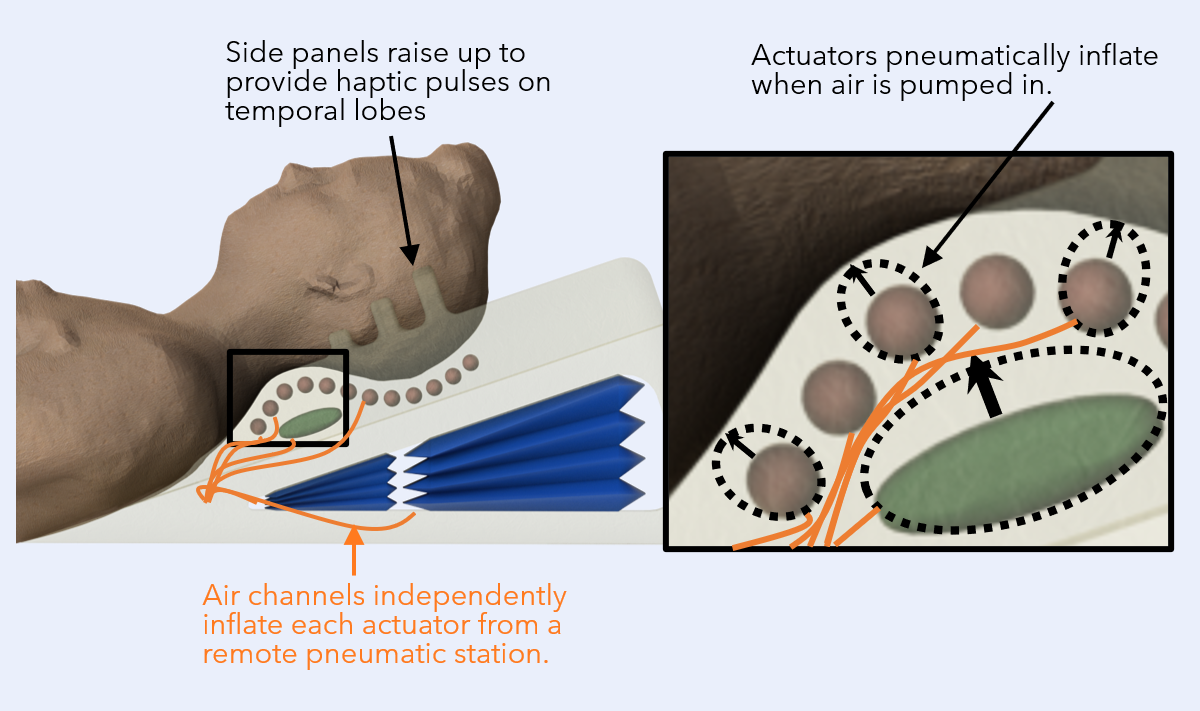
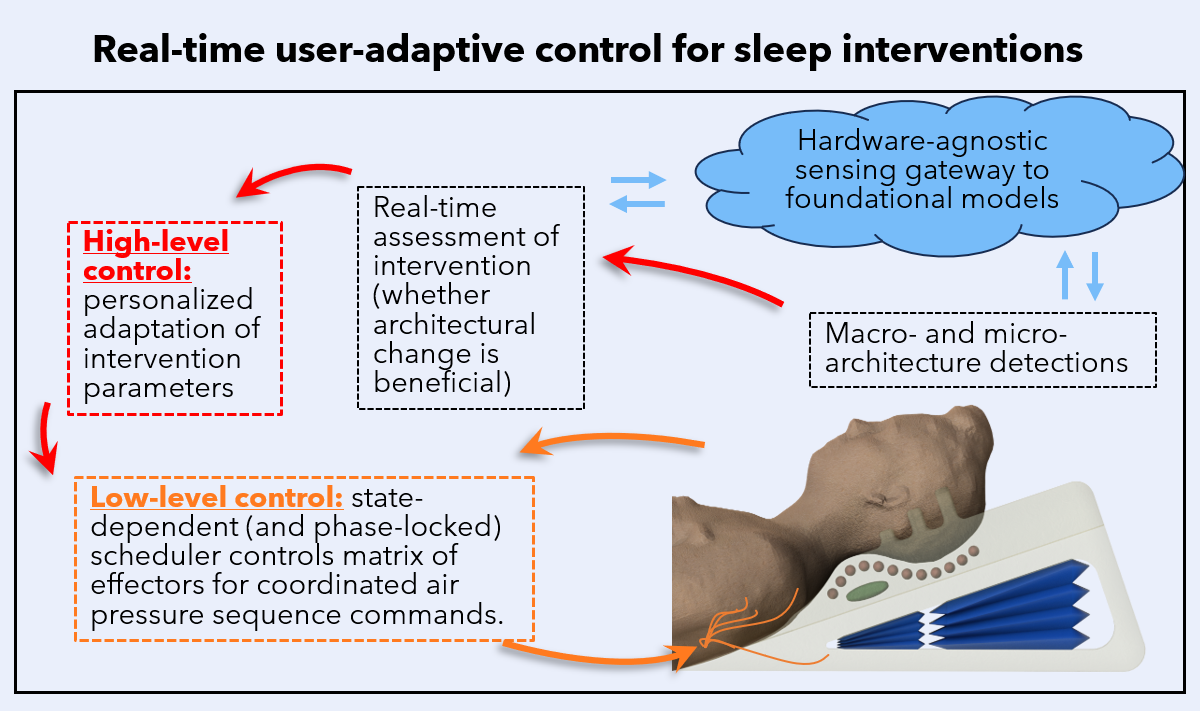
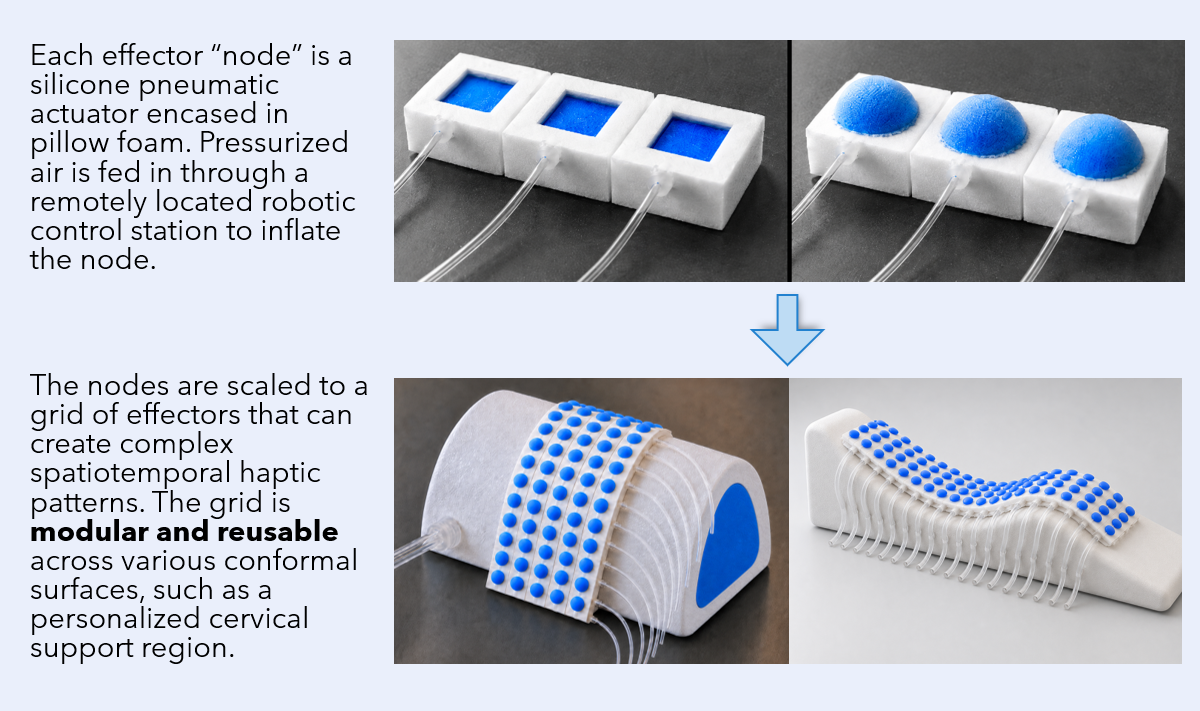
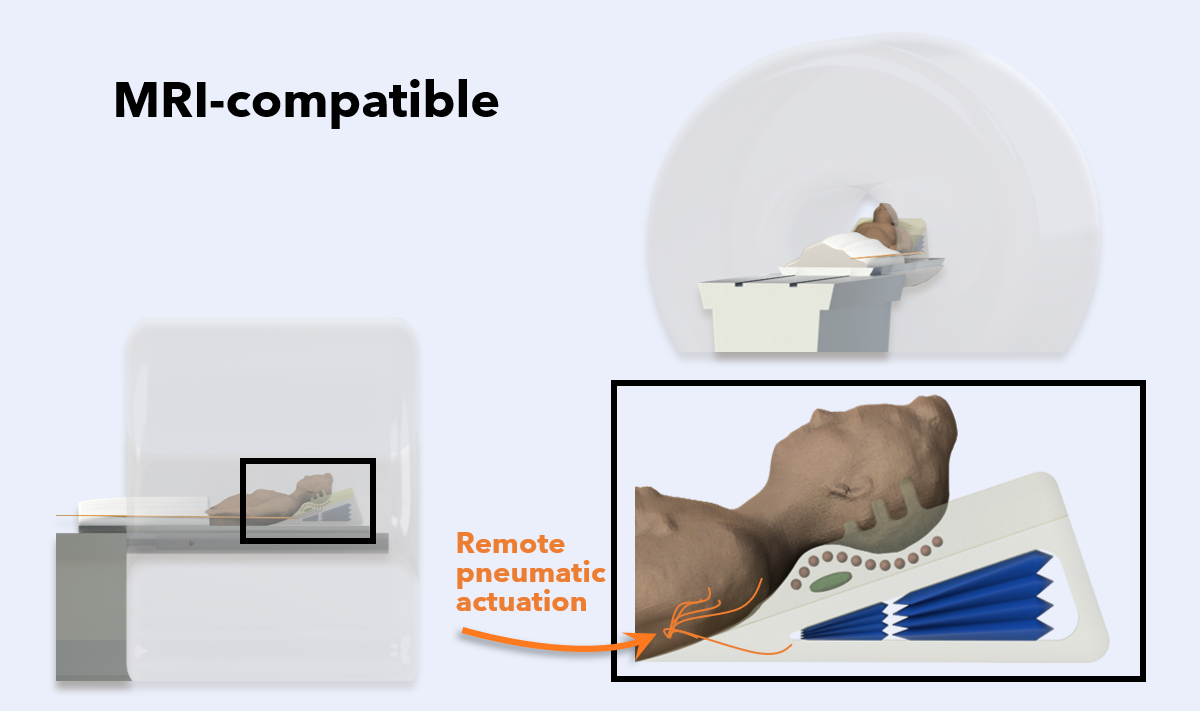
This project focuses on the development of personalized soft robotic foam pillows embedded with grids of soft pneumatic actuators that can provide haptic interventions for sleep disorders such as insomnia, sleep apnea, and snoring. Soft robotics will be used to enable a new class of haptic modalities (beyond vibrotactile cues), which in turn will enable a new class of sleep interventions. The haptic modalities will include multidimensional non-vibratory rhythmic entrainment, positional airway adjustments, affective touch therapy, deep pressure stimulation, focal pressure sequences for rain-drop-like massage and cradling/hugging distributed broad pressure. Modality combinations will enable interventions including: autonomic downregulation to promote sleep onset, slow wave activity (SWA) enhancement during N3 sleep, and positional adjustments to reduce apneic and snoring events.
Soft Robotic Exogloves for Mobility Assistance
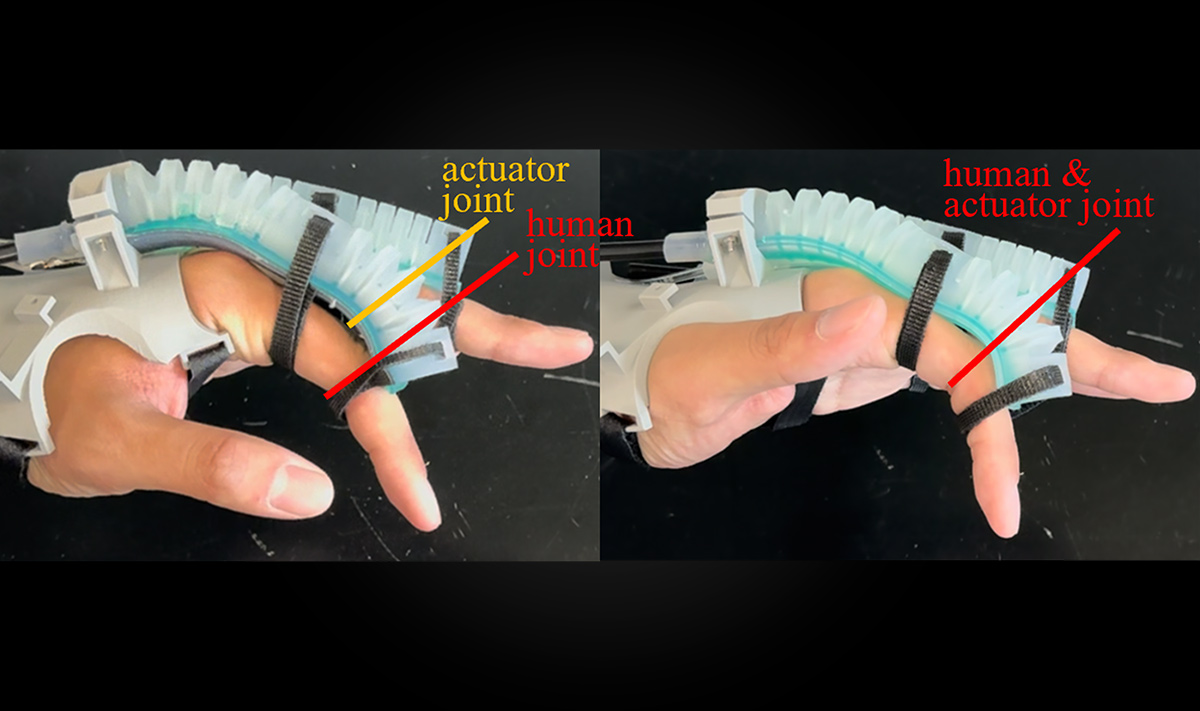
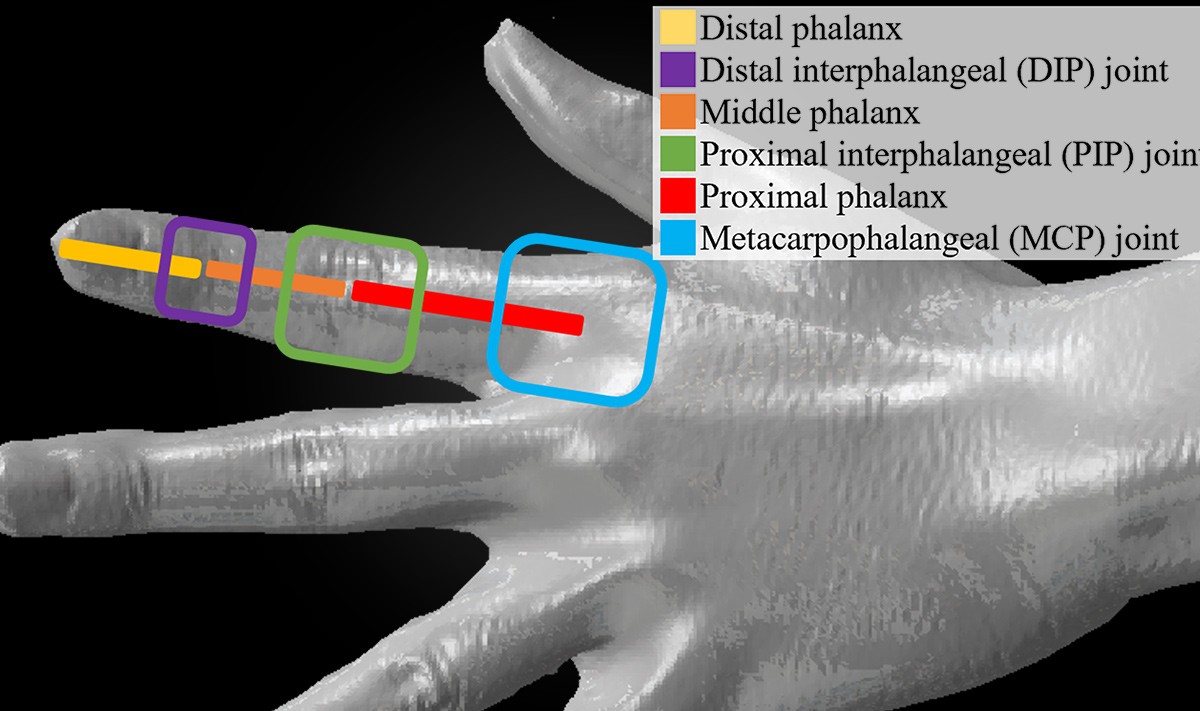
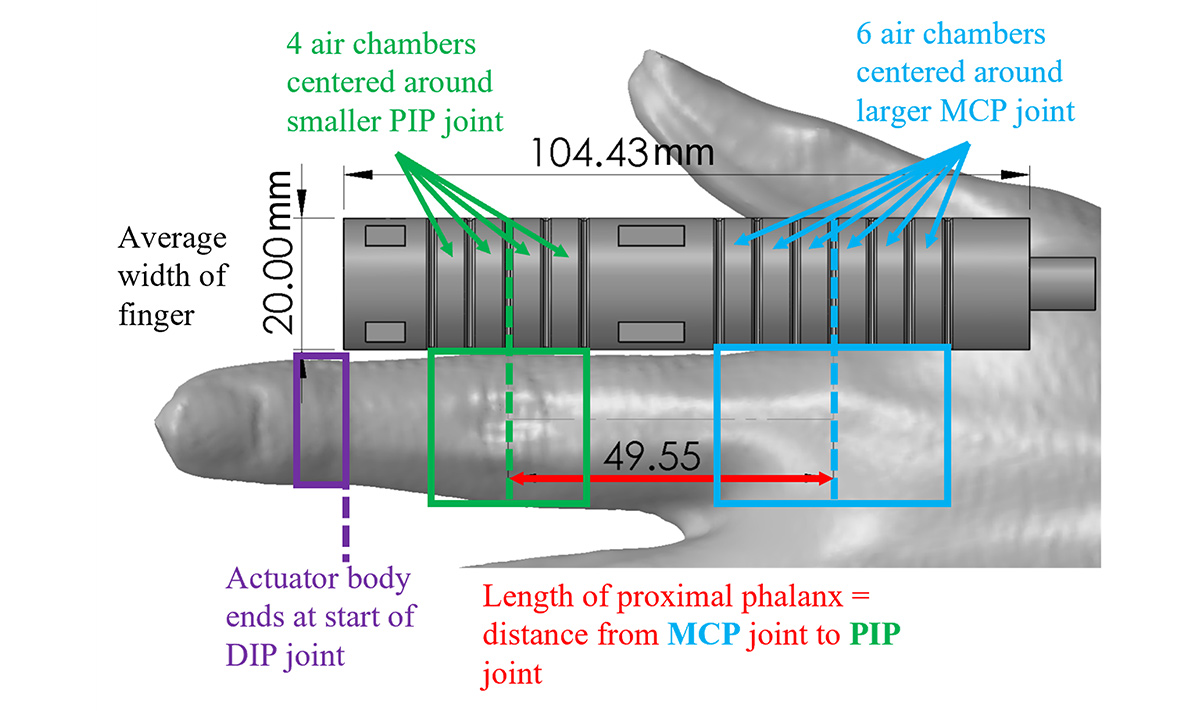
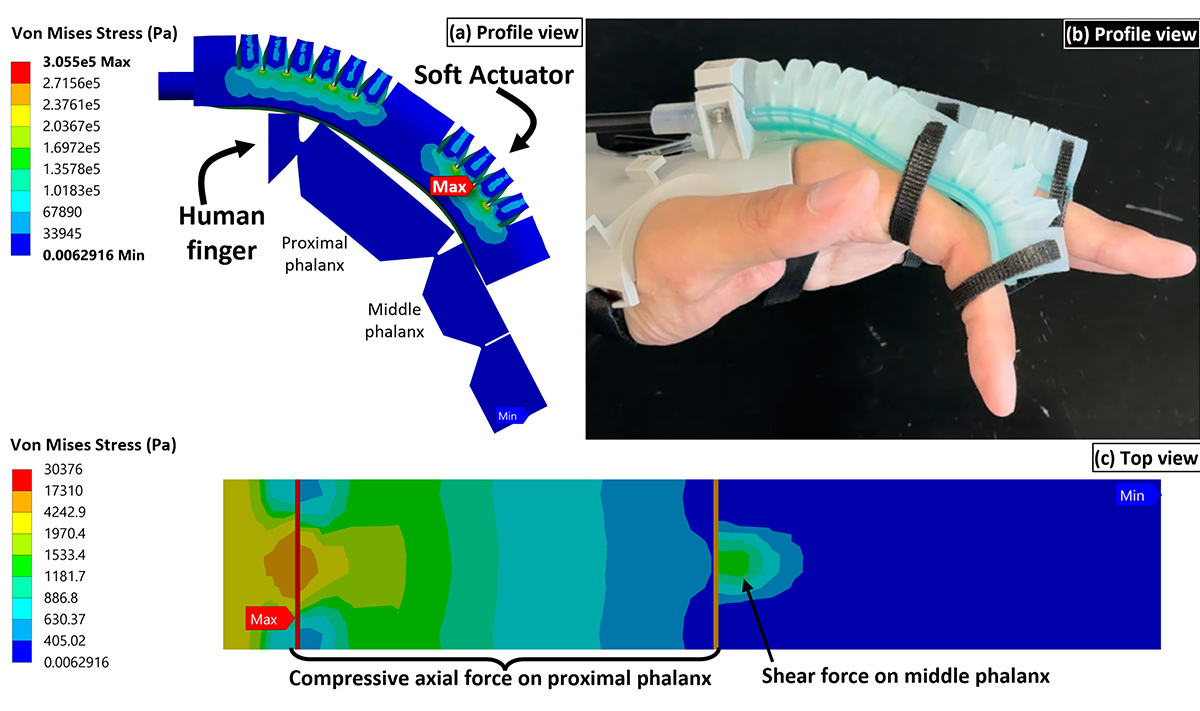
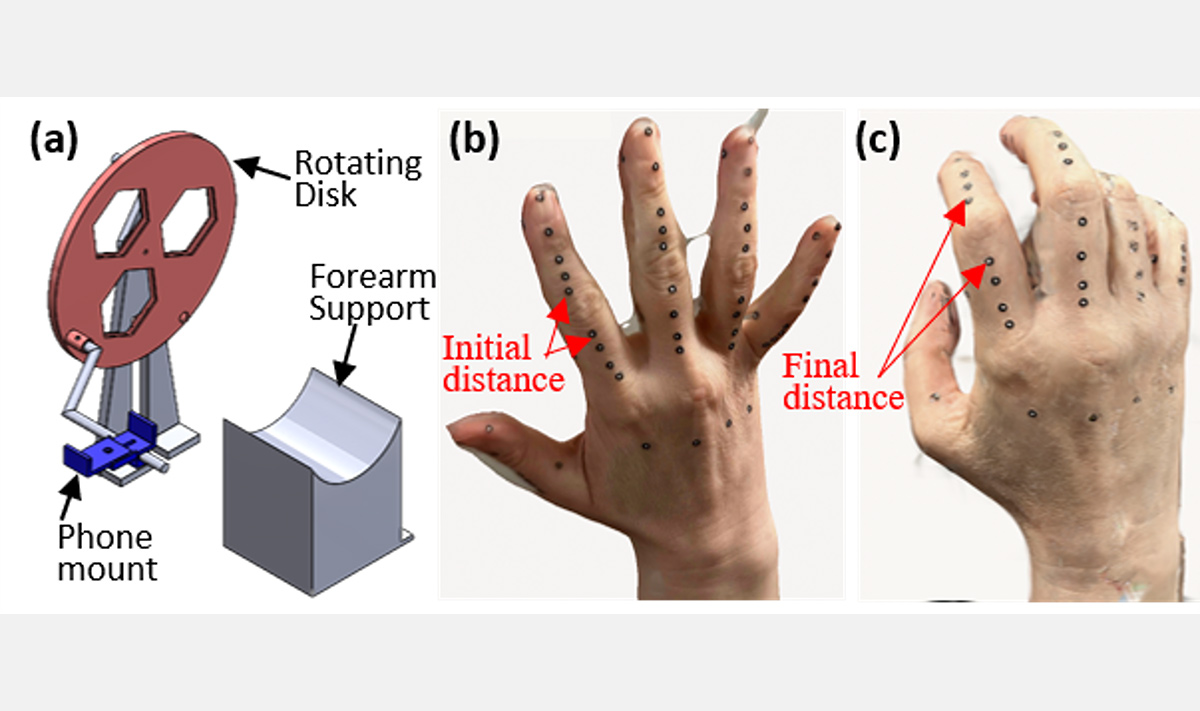
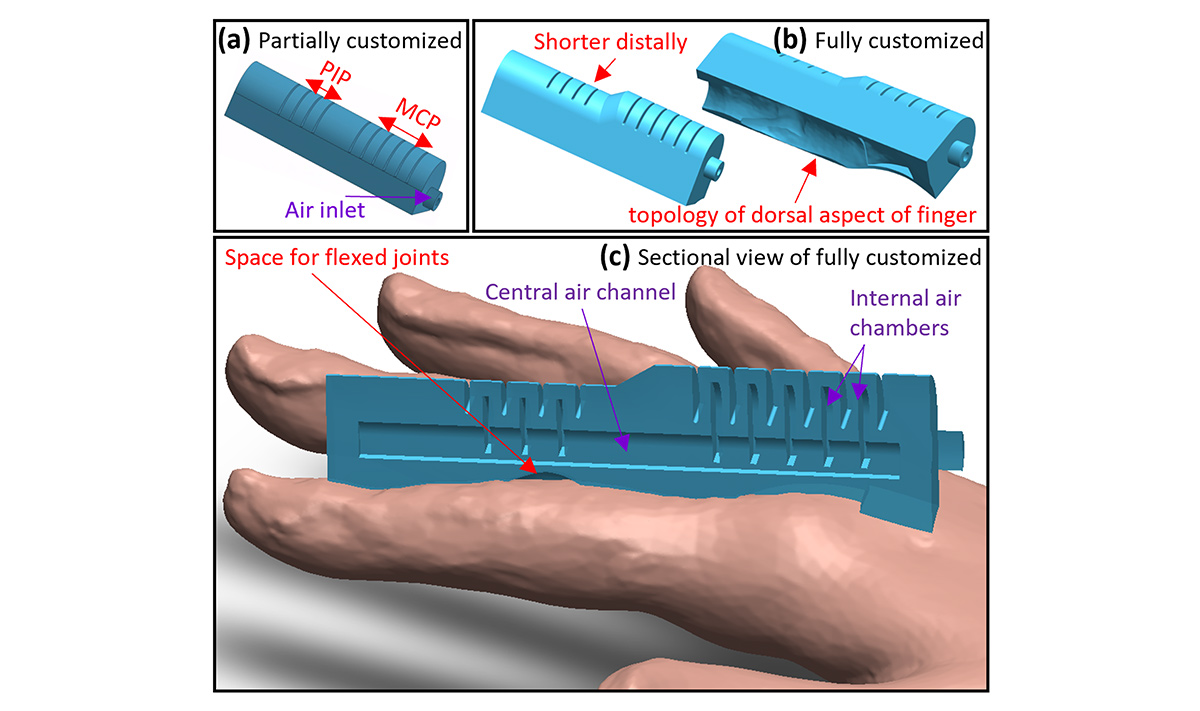
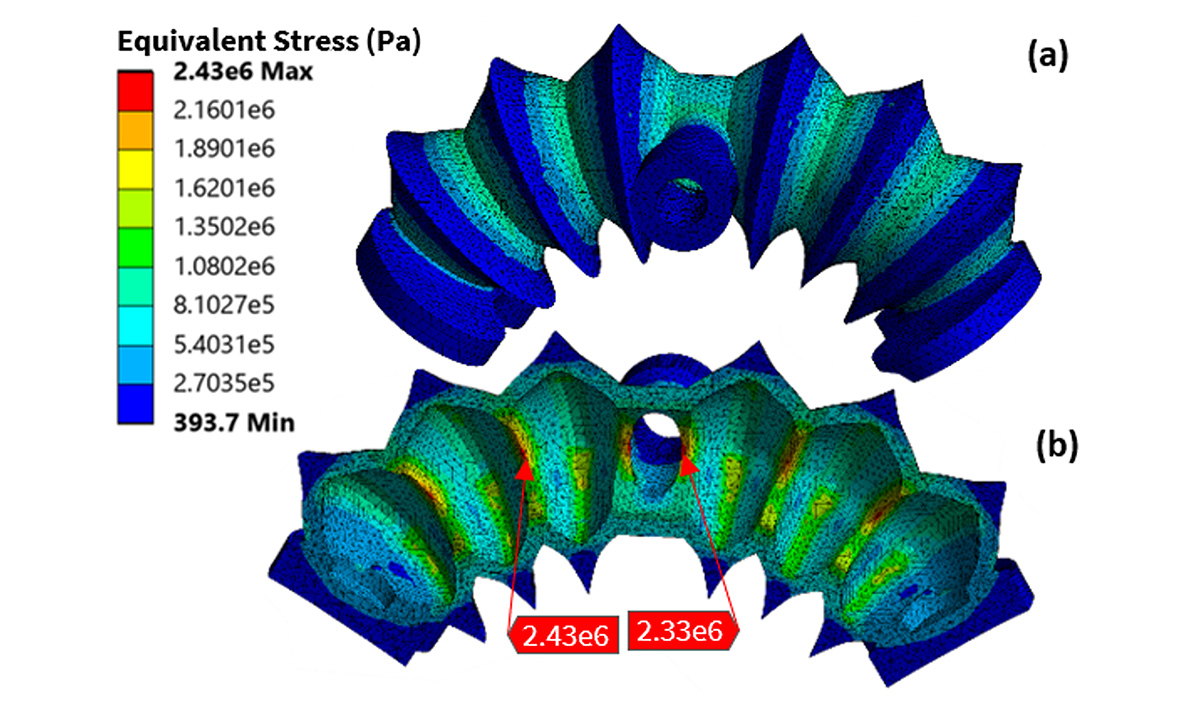
Soft robotic exogloves can provide hand rehabilitation and mobility assistance. Current gloves have one degree of freedom for each finger. We are developing exogloves that can independently mobilize each joint of the human hand, in order to enable assistance with fine motor skills. Fitting these gloves often relies on standardized measurements not tailored to the individual, limiting their effectiveness, especially for the fine articulation necessary for dexterous manipulation. This project investigates design, fabrication, modeling, and robotic control of personalized pneumatically-actuated soft robotic exogloves. In our recent work (BioRob 2026), design and fabrication results show that topological scans enable precise tailoring to hand anatomy, and pneumatic testing indicates that pressure control allows accurate and targeted mobility of the metacarpophalangeal (MCP) and proximal interphalangeal (PIP) joints with intrinsic stiffness. In this work, we are the first to present finite element analysis of the physical Human Robot Interaction (pHRI) of a soft robot with a human. We achieve this by importing a personalized (albeit simplified) biomechanical finger model into the simulation, and simulating how the soft robot deforms and applies contact force to the human model. These initial results suggest ways in which contact force vectors can be optimized in future designs. In this work, we also demonstrate that relaxing the strain-limiting layer in a soft PneuNet improves actuator-to-finger joint alignment during actuation, indicating another parameter for future personalized glove optimization. This work presents personalization to the human hand in structural conformability, joint topology, modeling of pHRI contact, and time-dependent actuation-deformation profiles. This lays a groundwork for informing exoglove design optimization to enable assistance in dexterous manipulation and neuromuscular rehabilitation of fine motor skills.
Soft Robotic Musculoskeletal Manipulation for Pain Reduction
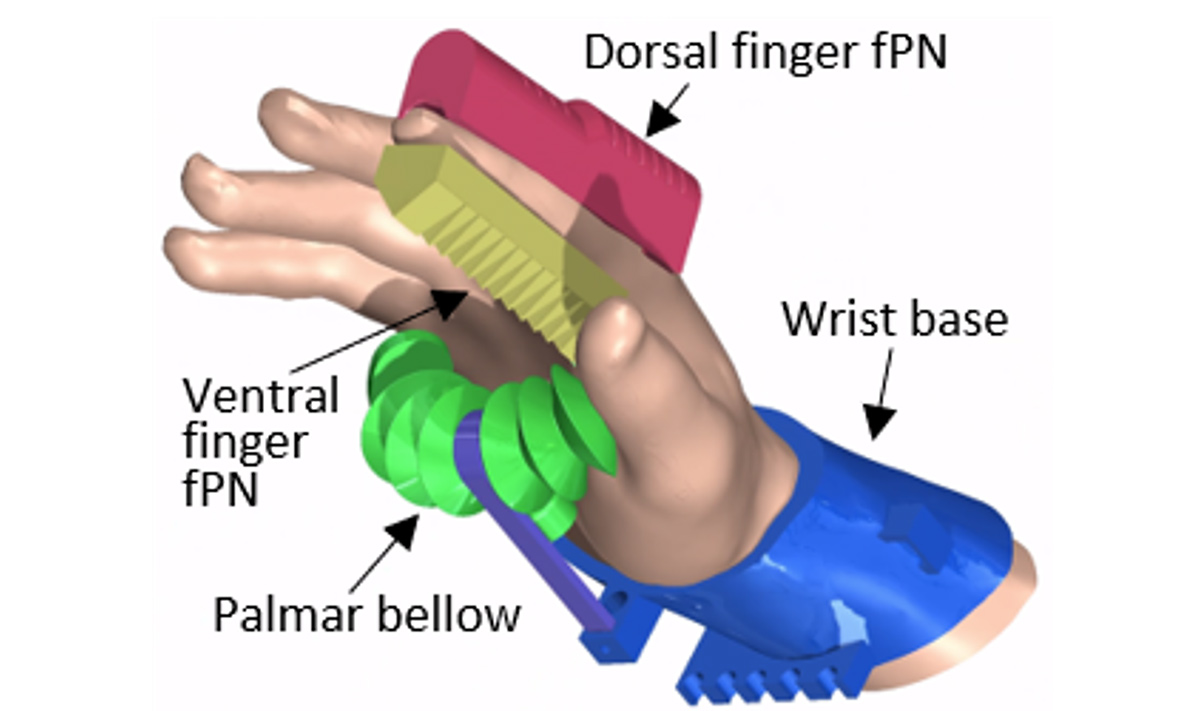
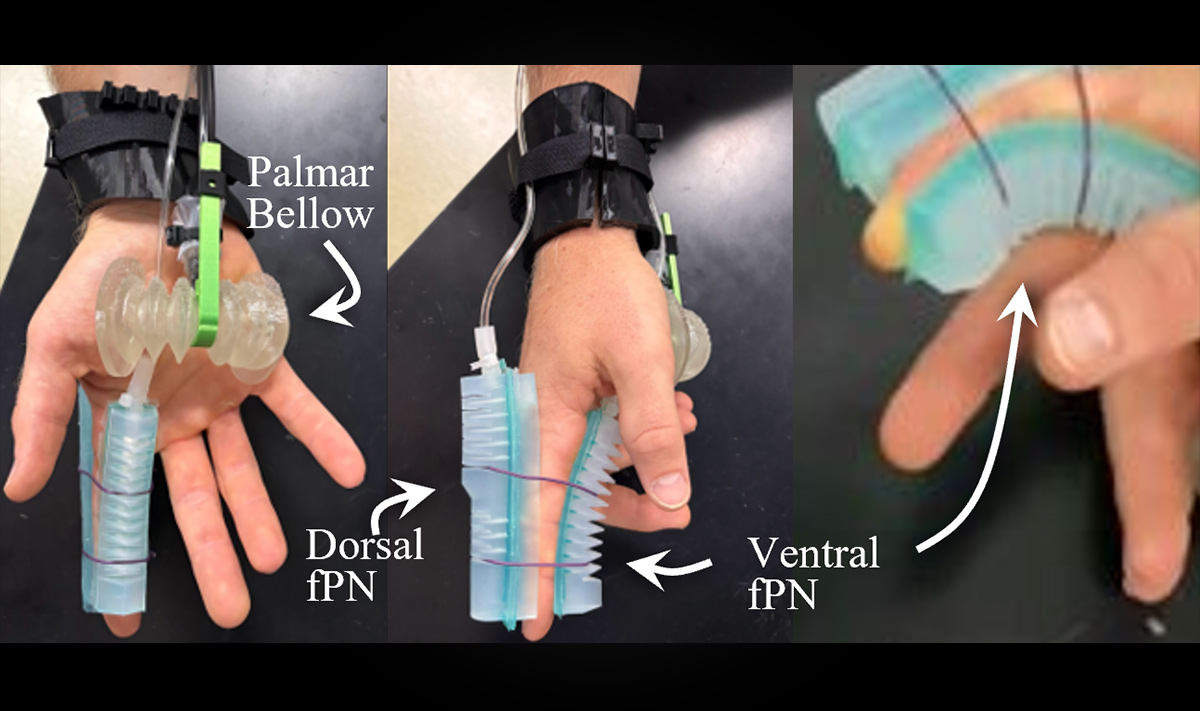
In this project, we develop soft robotic wearables and orthotics to bring therapeutic relief to individuals suffering from chronic pain. Chronic pain is a condition that affects up to 40% of Americans. We aim to empower individuals with on-demand treatment tools that they can use in the comfort of their own home. We design, fabricate and control novel soft robotic modular networks consisting of silicone-based soft pneumatic actuators. In our recent paper (BioRob 2026), we developed a soft robotic exoglove for hand spasticity, to help individuals suffering from post-stroke hypertonicity and the pain associated with that condition. The glove consists of soft pneumatic actuators that are personalized to an individual’s hand topology and kinematics, allowing for optimal conformability and surface contact. We introduce a modular glove, with each module designed to apply compression to targeted anatomical regions of the hand for pain relief. We are also developing novel soft robotic form factors to treat other pathologies resulting in pain.
Related funding:
National Science Foundation Award:
Soft Robotic Musculoskeletal Manipulation for Pain Reduction
Award Number: 2502197
Pneumatic Control for Soft Robots: Mechatronics, Actuation, and Robust Control
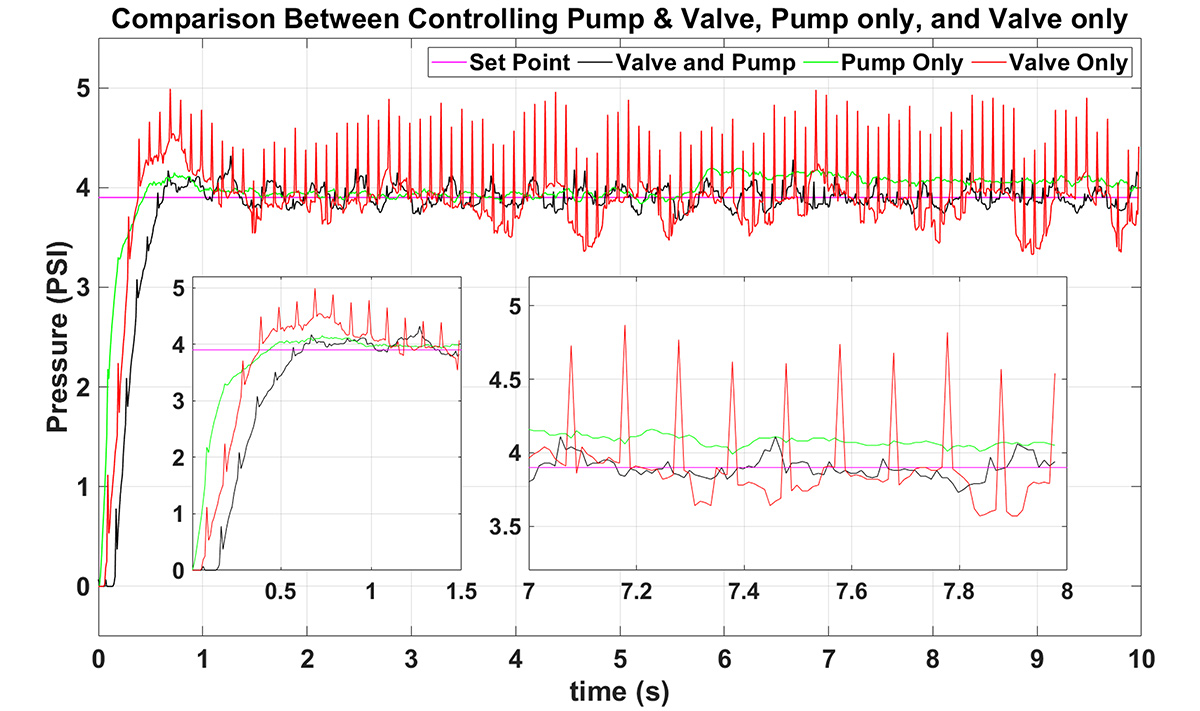
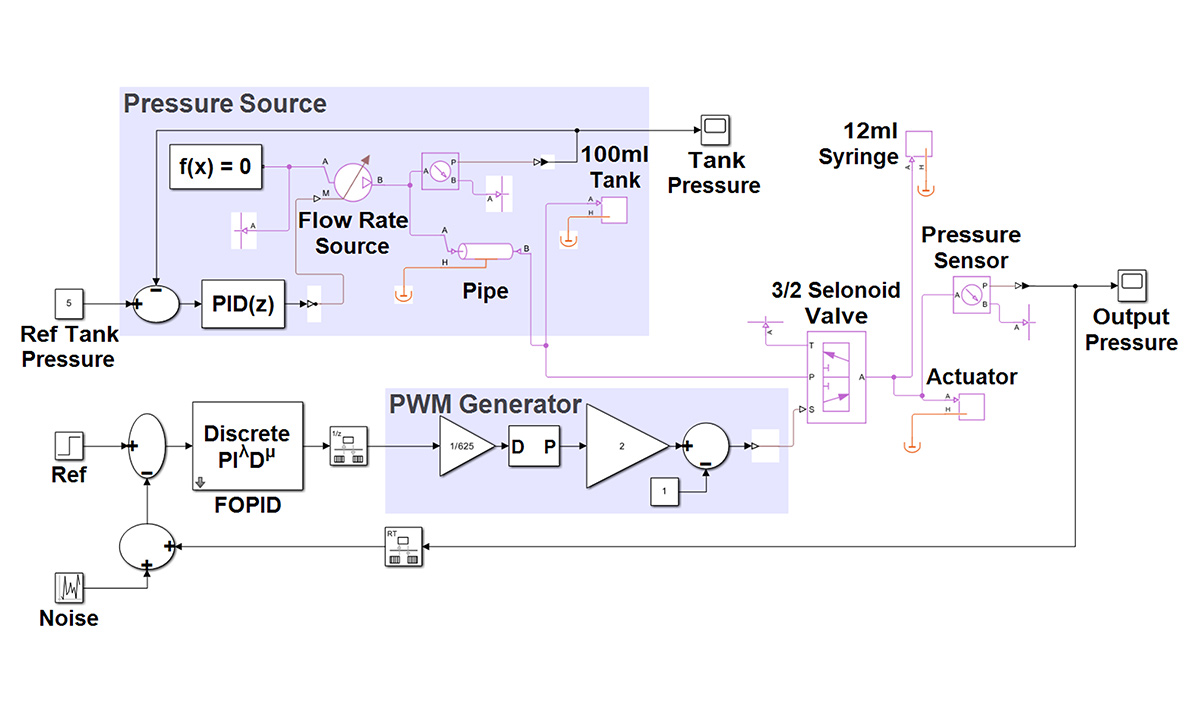
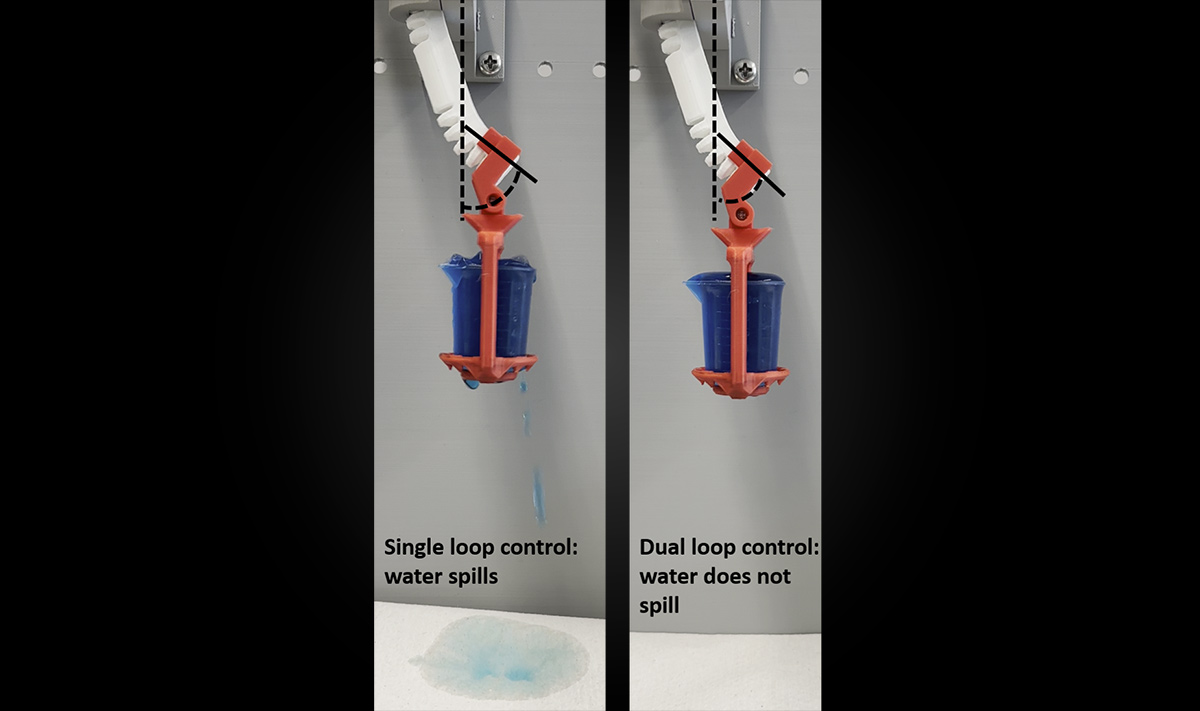
In this project we investigate the actuation hardware, control algorithms, and feedback sensing necessary for robust, real-time control of soft robots made from silicone pneumatic actuators. From a hardware perspective, we iterate on the electropneumatic configurations that can achieve varying design requirements including: maximizing internal actuator pressure, minimizing response time, minimizing robot-human contact vibration, minimizing environmental noise, scalability to multi-degree-of-freedom systems, and affordability. This involves a balanced configuration of pumps that provide air pressure, valves that control air flow, valves that control exhaust, tanks that filter vibrations, sensors to provide feedback, drivers, data acquisition modules, microcontrollers for real-time control, leak-free tubing, and heat-venting enclosures. For instance, affordable pneumatic components such as solenoid valves cause discontinuities in flow rate, introducing oscillatory fluctuations into the system, resulting in higher vibration. Meanwhile, alternative proportional valves become prohibitively expensive at scale. In our recent RA-L publication, (IEEE Robotics and Automation Letters 2025), we demonstrate how dual-loop control of both the pump pressure and the solenoid valves’ duty cycles allows these fluctuations to be minimized.
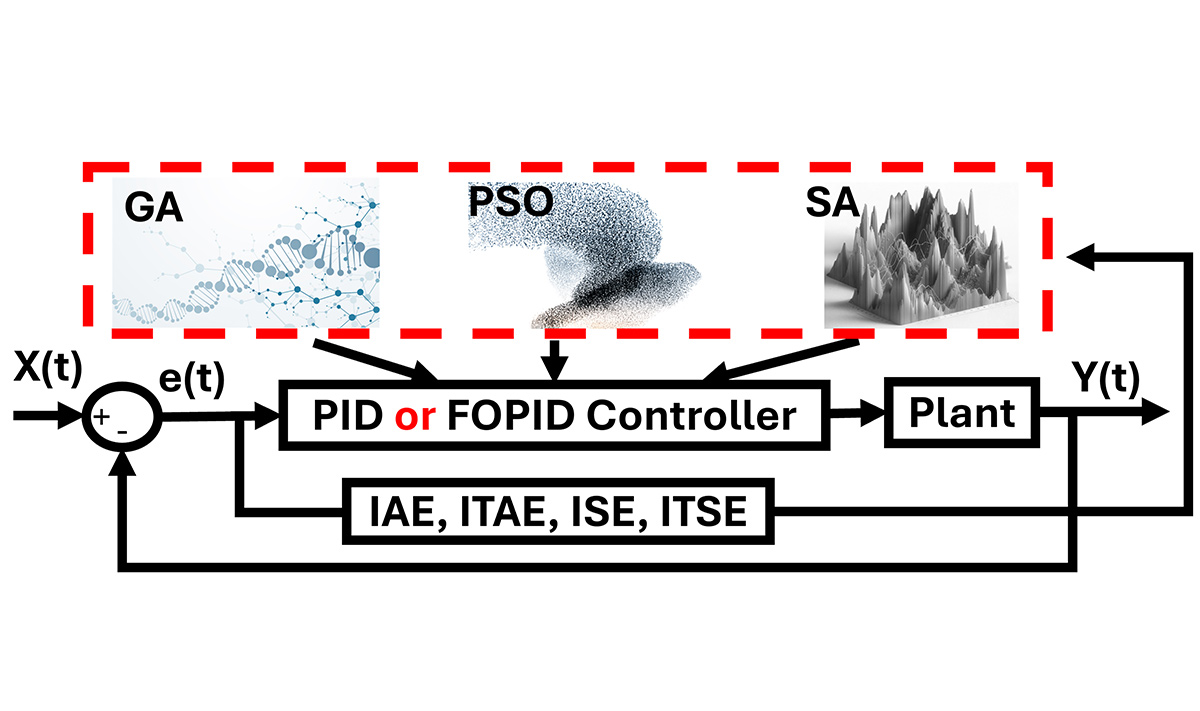
From an algorithmic perspective, we research robust control algorithms that can operate on references of internal air pressure, surface contact force, or actuator deformation/bending. In turn, we integrate thin-film flexible electronics to enable the sensed feedback. In our work (IEEE Access 2024), we investigate autotuning of control algorithms so that soft robotic actuators with varying properties can be controlled without re-tuning. We demonstrate this autotuning by optimizing control parameters with a variety of evolutionary algorithms.
Relevant publications:
Robust Manufacturing of Soft Robotic actuators with Embedded Flexible Sensors
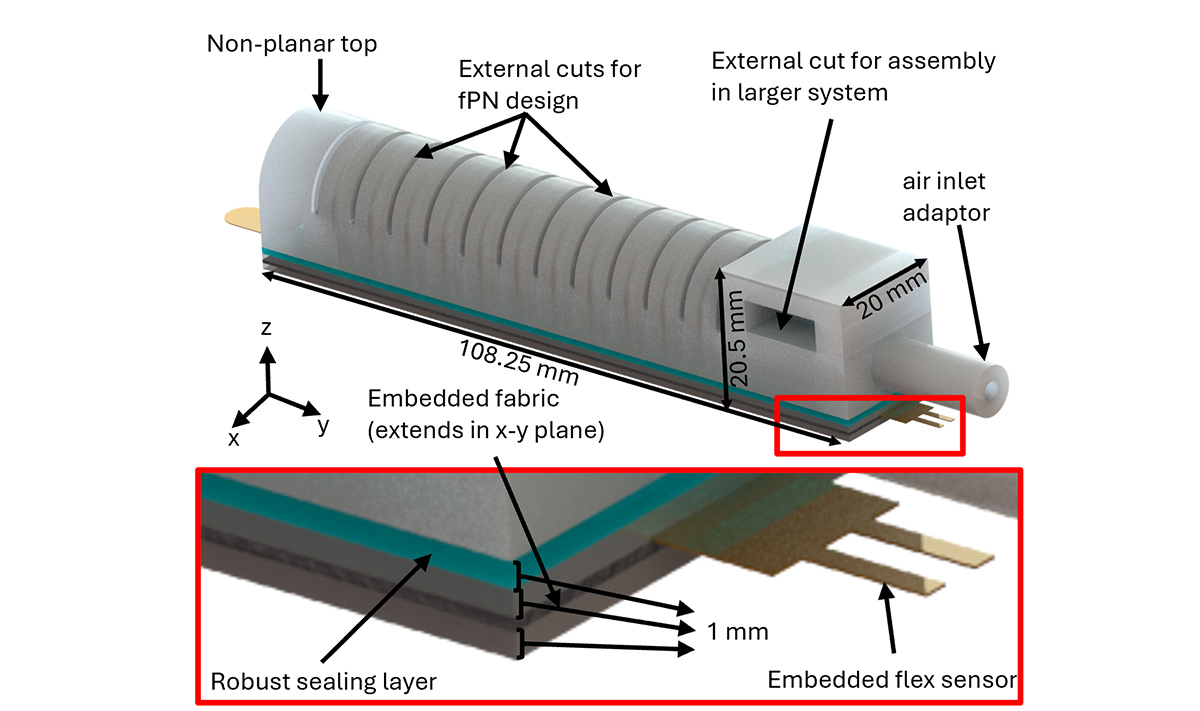
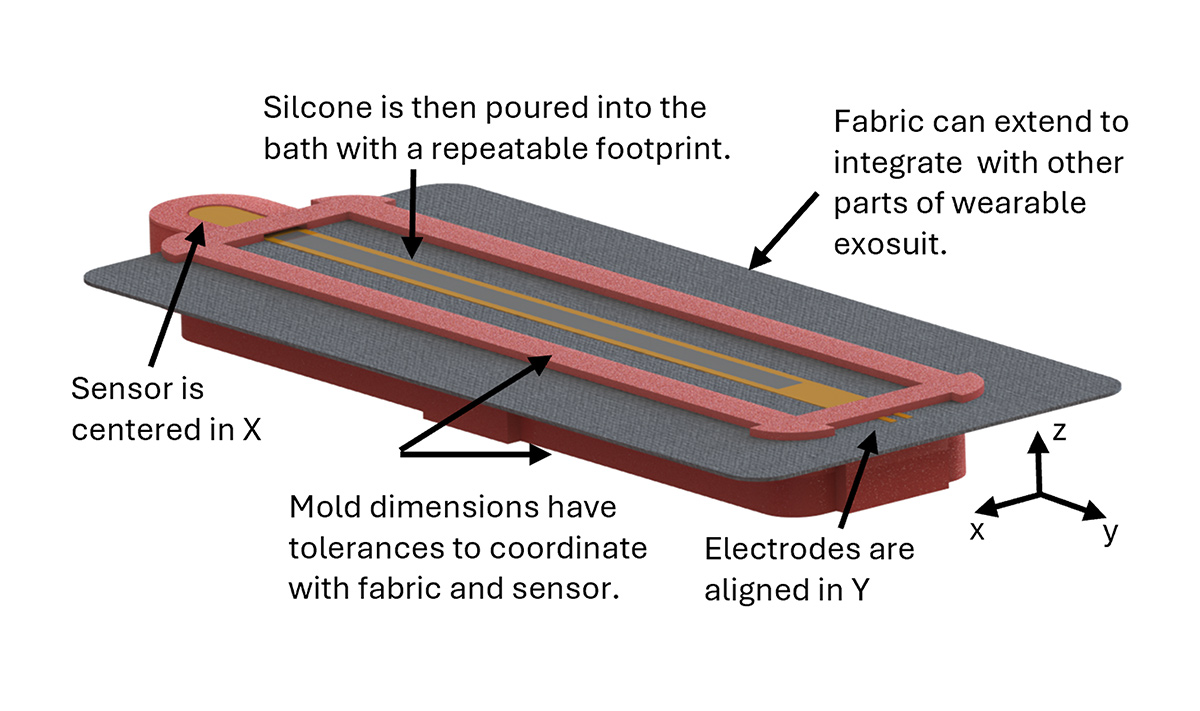
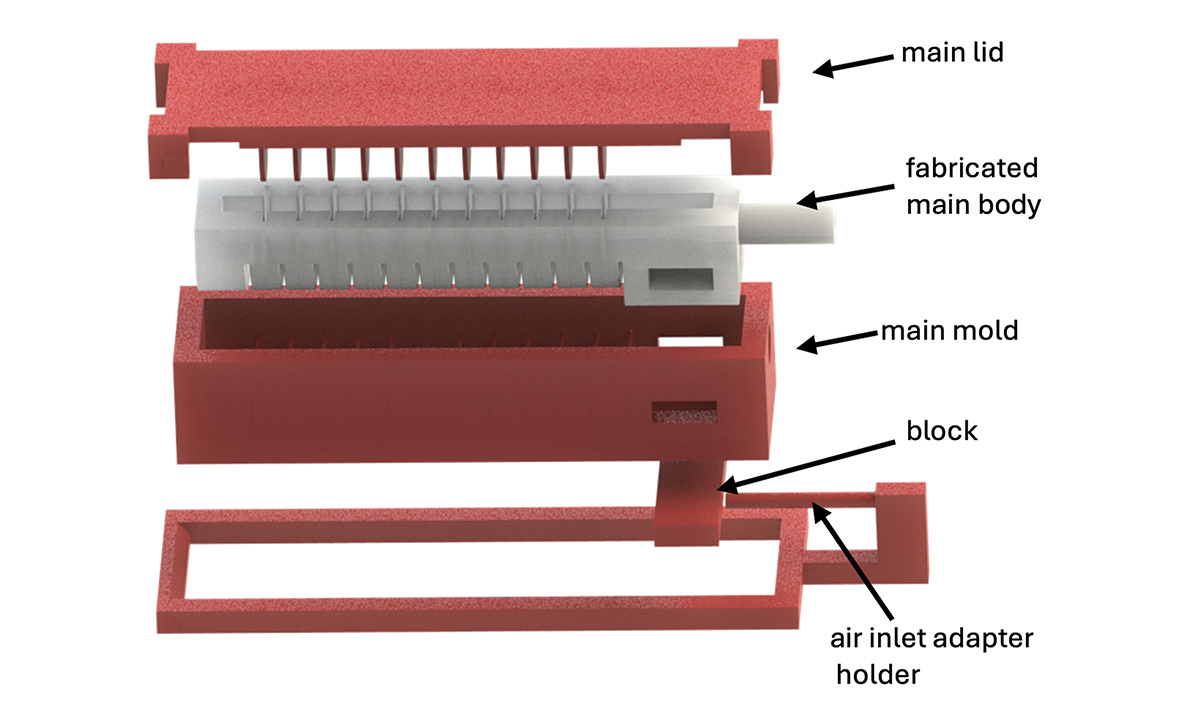
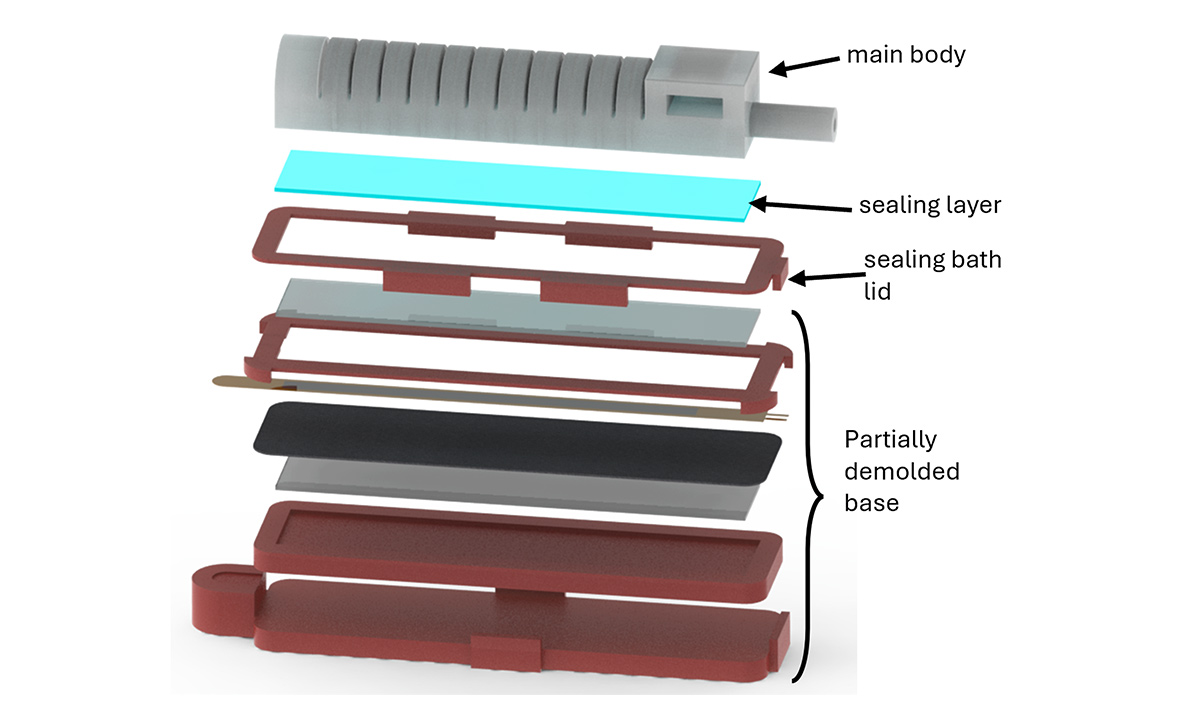
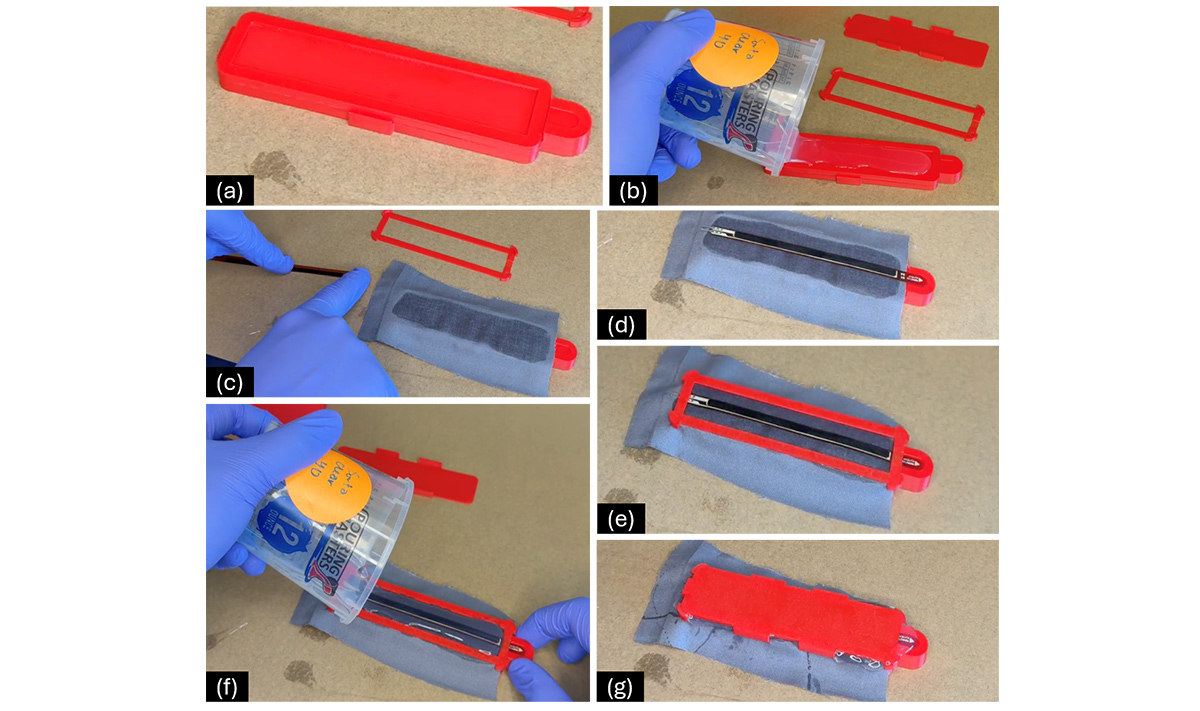
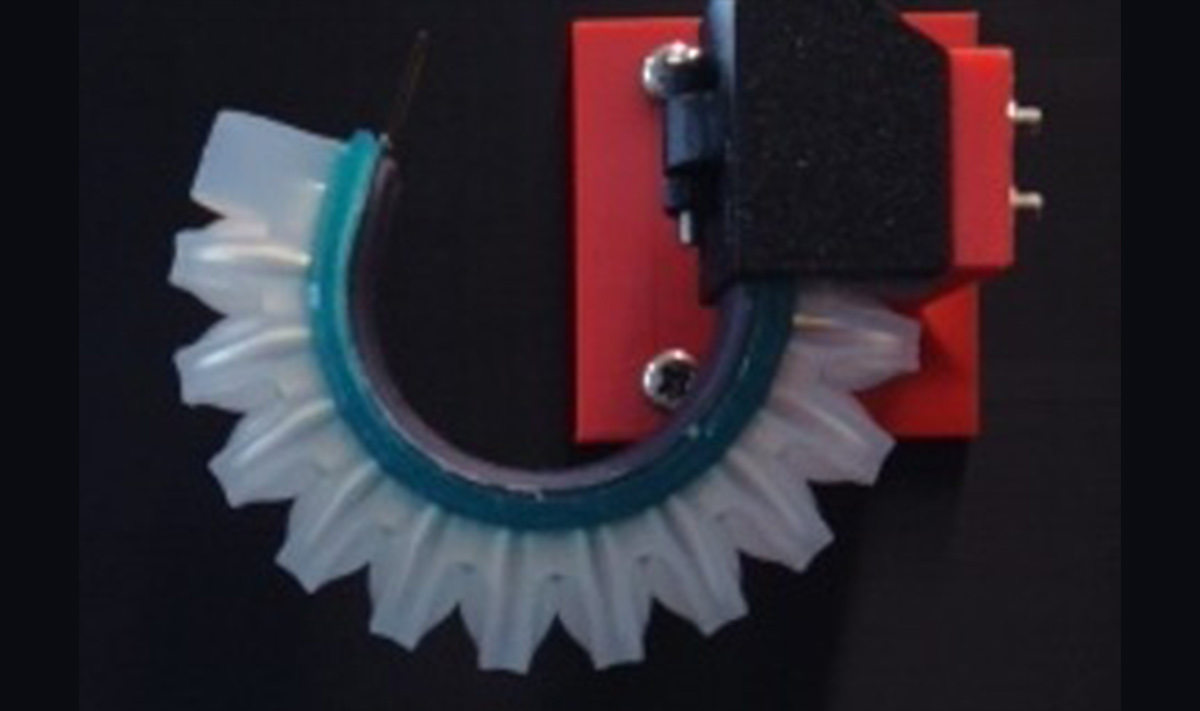
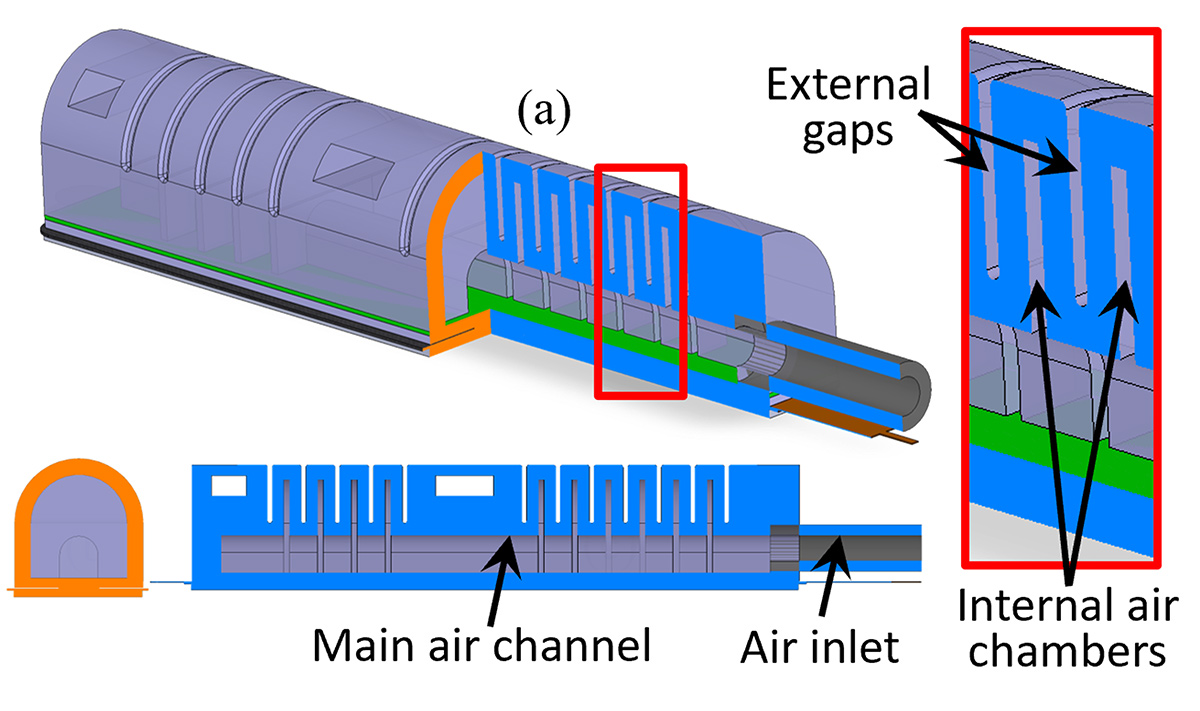
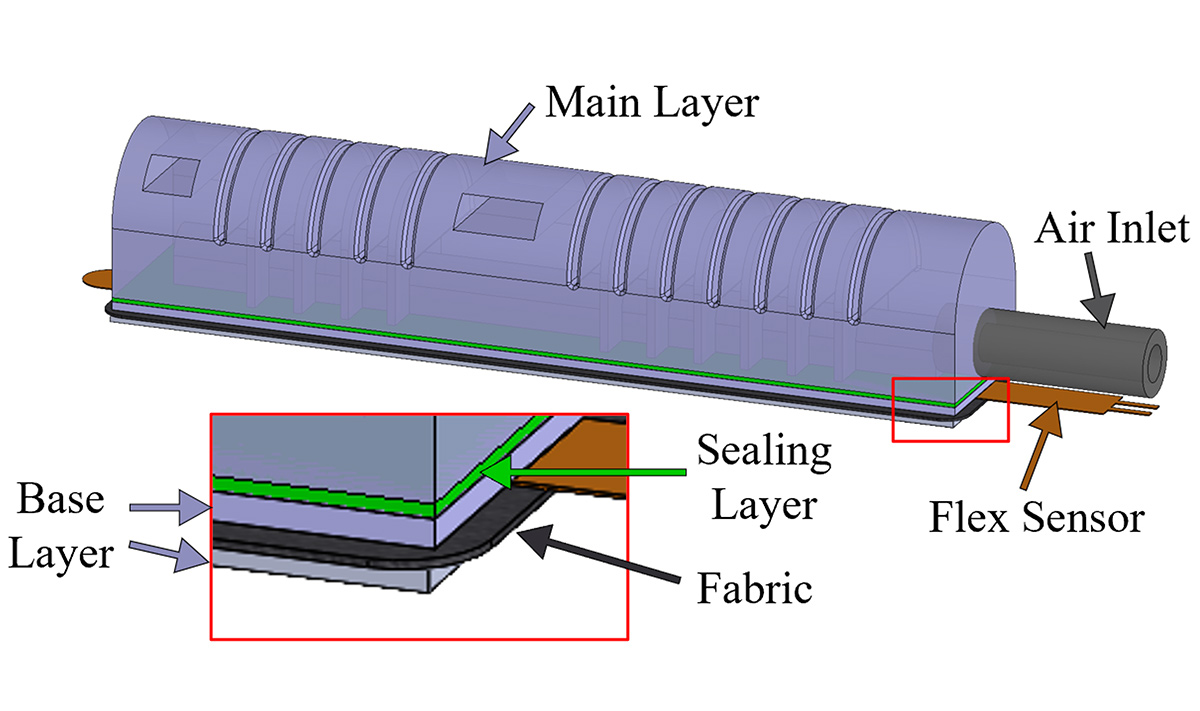
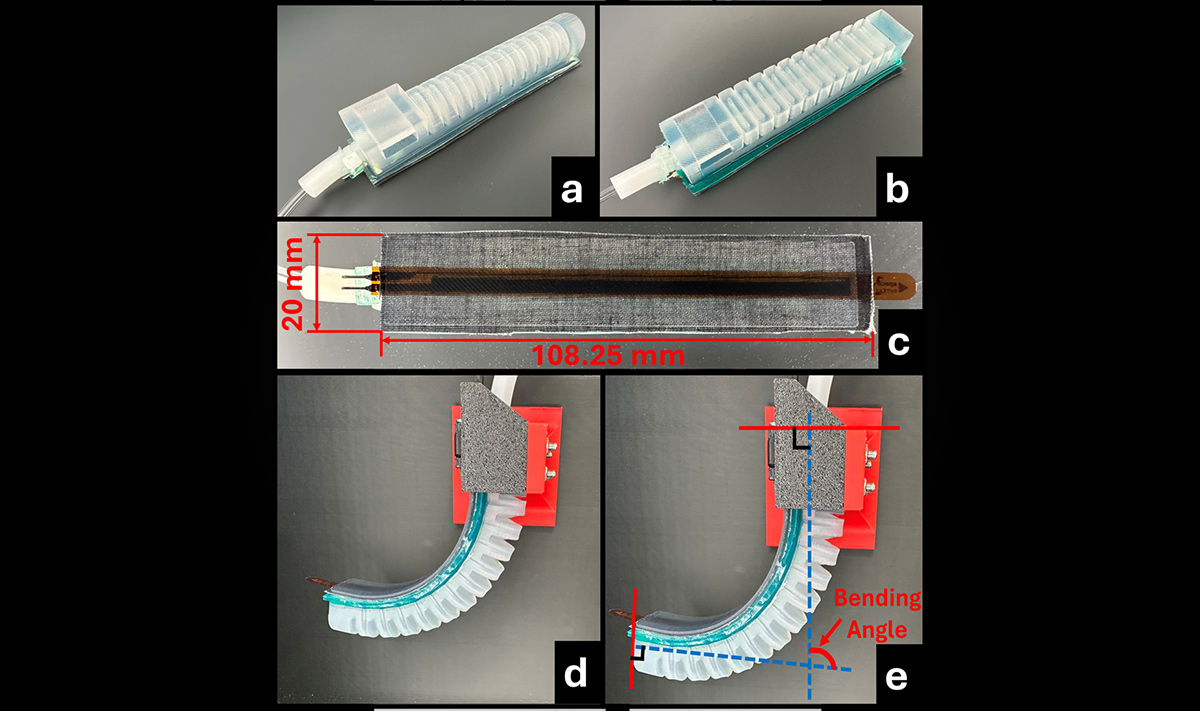
Soft robots are well-suited for applications such as rehabilitation and surgery that require adaptable and safe interaction with their environment. However, the challenges of reproducible and scalable fabrication of soft robots limit their real-world deployment. Various fabrication methods have been introduced, but many are labor-intensive and prone to human error. 3D silicone printing is still in development and therefor pour casting methods remain the most robust option. Lost-wax casting techniques allow for intricate internal geometries but require high-maintenance sophisticated manufacturing equipment to produce robust specimens. Therefore, traditional two-part pour casting remains an attractive option. In our recent work (CBS 2026), we present procedures for robust, repeatable, and scalable fabrication of soft pneumatic actuators using two-part pour casting. We demonstrate these procedures with higher shore hardness silicones and without the use of thinning agents so that laboratory ventilation is not required, demonstrating low-maintenance fabrication procedures with a wide range of silicone materials accessible to a wide community. The presented methods prevent internal cavity clogging and ensure air-tight sealing. We present methods for: 1) controlling the sealing layer height to prevent internal air cavity clogging, 2) ensuring air-tight sealing, and 3) embedding of strain limiting layers with repeatable contact areas. Additionally, a robust sensor embedding procedure for thin-film flex sensors is presented, which allows for accurate and repeatable data acquisition, and can be used for closed-loop position control. We also demonstrate how automated image processing can be used to calibrate the embedded flex sensor to bending angle measurements. The presented benchmarked experiments will enable more widespread adoption of soft robotics in real-world applications.